
Advanced Molecular Imaging for Accurate Neuroendocrine Tumor Detection
Ga68- DOTANOC PET/CT Scan
A highly sensitive imaging technique that uses Ga68-DOTANOC to detect neuroendocrine tumors by targeting somatostatin receptors with exceptional precision.
About Ga68-DOTANOC PET/CT Scan
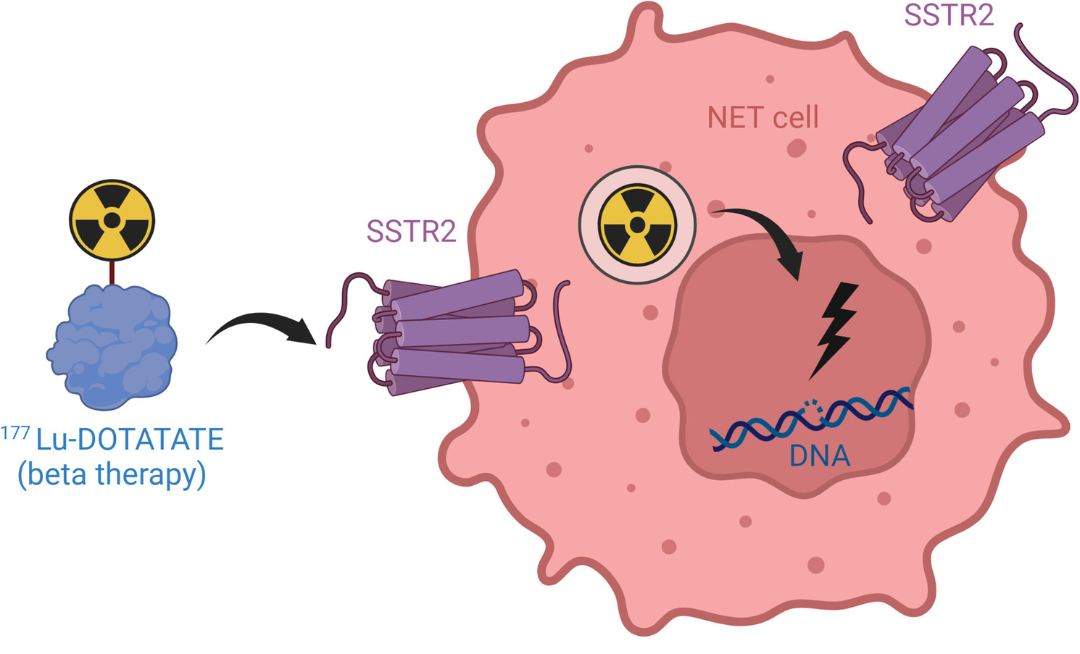
A Ga68-DOTANOC PET/CT scan combines two powerful technologies—PET and CT—to provide detailed insights into neuroendocrine tumors. After a small amount of the Ga68-DOTANOC tracer is injected into the bloodstream, it binds to somatostatin receptors present on Neuroendocrine Tumors (NETs) cells.
The PET scan detects the radiation emitted by this tracer, highlighting abnormal cellular activity, while the CT component captures high-resolution images of internal organs. Together, they offer precise information about the tumor’s presence, size, and location, making diagnosis and treatment planning more effective.
Uses of DOTANOC PET/CT Scan
DOTANOC PET/CT scans are particularly useful for diagnosing and managing neuroendocrine tumors (NETs). Below are some of the key uses of this scan in clinical practice:
01. Detecting Neuroendocrine Tumors:
This scan is highly sensitive in detecting neuroendocrine tumors, whether they are primary tumors or have spread to other parts of the body (metastasis). It helps identify NETs that may be present in various organs like the pancreas, gastrointestinal tract, lungs, and others.
02. Locating Tumors with Precision
DOTANOC PET/CT is invaluable in localizing the exact position of neuroendocrine tumors, which is crucial for both diagnosis and determining the best treatment approach.
03. Grading Tumor Aggressiveness
By assessing the number of somatostatin receptors on the tumor cells, the scan helps doctors determine how aggressive the tumor might be. This information helps doctors understand how the tumor might behave in the future.
04. Treatment Planning
The scan provides detailed and accurate information about the location and extent of the tumor. This enables doctors to plan appropriate treatments, such as surgery or targeted therapies like DOTATATE therapy, with greater precision.
05. Monitoring Treatment Response:
DOTANOC PET/CT is also helpful in evaluating how well treatments like surgery, peptide receptor radionuclide therapy (PRRT), or targeted therapies are working by tracking changes in the size or activity of the tumor.
06. Assessing Metastasis of Neuroendocrine Tumors:
These tumors can spread to different organs, including the liver, bones, and lymph nodes. DOTANOC PET/CT helps identify the spread of cancer (metastases) and assesses how widely it has spread, which is essential for staging the disease and tailoring treatment.
Procedure for DOTANOC PET/CT Scan
A small amount of the radioactive DOTANOC tracer will be injected into a vein. This tracer will travel through your bloodstream and attach to the somatostatin receptors present on the neuroendocrine tumor cells.
After the injection, you will be asked to rest for about 45–60 minutes. This gives the tracer enough time to circulate and bind to the receptors on the tumor cells.
The actual scanning involves two parts: the PET scan and the CT scan. The PET scan helps detect the areas of the body with the most activity (where the tracer has been absorbed), while the CT scan gives detailed images of your internal organs. Both scans will be done in a single session, which usually takes around 10 minutes.
The procedure is usually painless. However, some people may feel a bit anxious or claustrophobic due to the enclosed space of the scanning machine. But, rest assured, the scan is quick, and you can stay as comfortable as possible throughout.
Benefits of DOTANOC PET/CT Scan
-
Early Detection of Neuroendocrine Tumors
This scan is highly sensitive in detecting both primary and secondary neuroendocrine tumors, helping to catch them early for better treatment outcomes.
-
Accurate Tumor Localization
The scan provides precise information about the location and size of tumors, which is essential for accurate diagnosis and treatment planning.
-
Tumor Behavior and Grading
The scan helps evaluate the aggressiveness of the tumor, allowing doctors to understand its behavior and plan treatment accordingly.
-
Monitoring Treatment Effectiveness
DOTANOC PET/CT scans help in monitoring the effectiveness of therapies such as surgery, PRRT, and targeted treatments, ensuring that the treatment plan is working.
-
Assessing Spread of Disease
The scan helps doctors understand the extent of metastasis by identifying whether the tumor has spread to other parts of the body, such as the liver or lymph nodes.
Subsribe To Our Newsletter
Stay in touch with us to get latest news and special offers.