
Advanced Molecular Imaging for Accurate Cancer Detection
Fibroblast Activation Protein Inhibitor
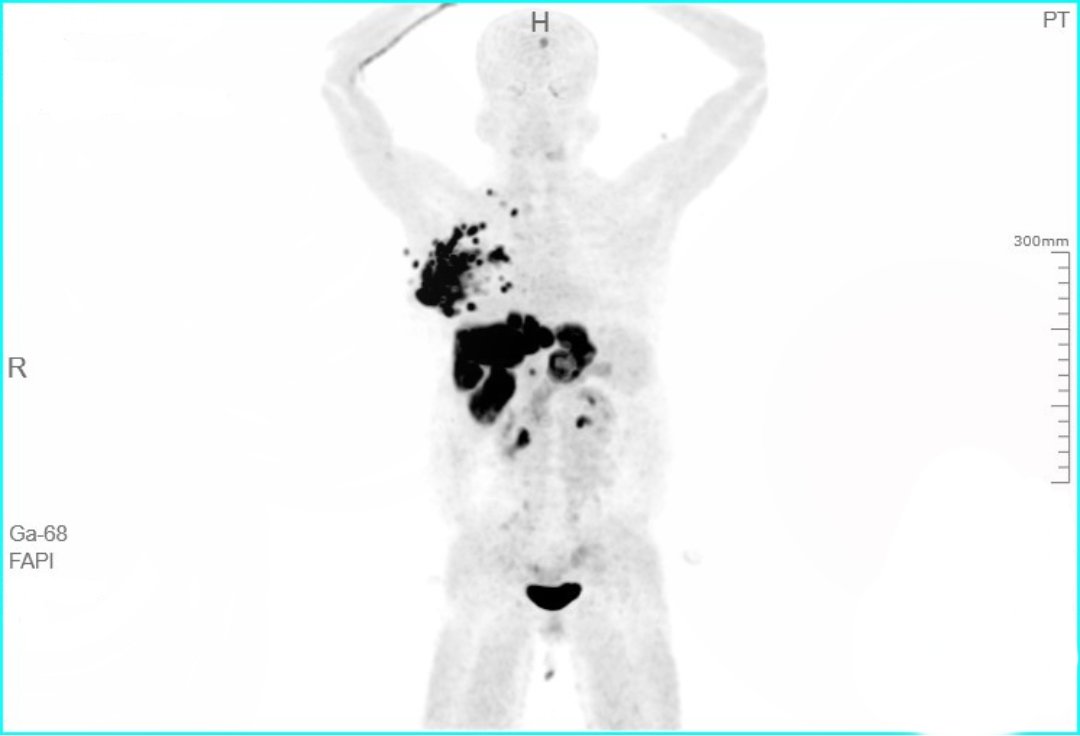
FAPI PET/CT combines PET and CT technology to provide a precise map of cancer and fibrotic disease sites.
About FAPI Digital PET/CT Scan
A FAPI PET/CT scan is an advanced molecular imaging technique used for diagnosing, staging, and planning treatment for a wide range of cancers and certain non-cancerous conditions. It combines Positron Emission Tomography (PET) with Computed Tomography (CT) to provide detailed anatomical and functional images.
During the procedure, a small amount of a radioactive compound targeting Fibroblast Activation Protein (FAP) is injected into the bloodstream. FAP is highly expressed in cancer-associated fibroblasts and areas of active fibrosis. The PET scan detects the tracer’s radiation, while the CT scan provides precise anatomical details, giving doctors an accurate map of disease sites, including their size, location, and activity.
Why is a FAPI Digital PET/CT Scan Performed?
FAPI PET/CT is a powerful tool across many oncologic and non-oncologic applications. Key reasons to perform this scan include:
01. Comprehensive Cancer Detection
FAPI PET/CT can reveal a variety of solid tumors—such as breast, pancreatic, gastric, colorectal, head-and-neck, sarcomas etc—even when conventional scans are inconclusive. Its high tumor-to-background contrast helps detect lesions with exceptional clarity.
02. Accurate Tumor Staging
By identifying the spread of cancer to lymph nodes, bones, or distant organs, the scan assists clinicians in determining the exact stage of the disease, which is critical for selecting the best treatment strategy.
03. Assessment of Cancer Recurrence
FAPI imaging is valuable for evaluating suspected recurrence after initial treatment. It can detect lesions that may not show up on FDG PET/CT or other standard imaging, especially in tumors with low glucose metabolism.
04. Treatment Response Monitoring
The scan helps measure changes in tumor burden after surgery, chemotherapy, targeted therapy, or radiation, allowing physicians to tailor ongoing treatment based on how the disease is responding
05. Planning of Image-Guided or Targeted Therapy
Detailed localization of FAP-expressing areas supports precise radiation therapy planning, surgical navigation, or enrollment in FAP-targeted treatments.
06. Evaluation of Non-Cancerous Fibrotic Diseases
Beyond oncology, FAPI PET/CT can be useful in certain inflammatory and fibrotic conditions such as cardiac fibrosis or chronic inflammatory diseases, aiding research and potential clinical decision-making.
How is the FAPI PET/CT Scan Performed?
Only a short fasting period of about 2 hours is recommended. Unlike FDG PET/CT, no blood-sugar control is required, making it convenient for people with diabetes or those on regular meals. A recent serum creatinine report is helpful if a contrast-enhanced CT is planned, to ensure kidney function is adequate
A small quantity of the FAPI radiotracer is injected into a vein. This compound binds to fibroblast activation protein present in tumor stroma or fibrotic tissues.
After the injection, there is typically a 15-20 minute resting period. This allows the tracer to circulate and bind to the target tissues.
You will lie on a table that moves through both the PET and CT scanners. Remaining still is important for high-quality images. The digital whole imaging under the scanner portion generally takes about 6 - 8 minutes.
Once the scan is complete, you can return to normal activities. Drinking plenty of fluids afterward helps flush the tracer from your body. At our centre, FAPI scans can also be scheduled conveniently in the evening hours, offering added flexibility for patients.
Subsribe To Our Newsletter
Stay in touch with us to get latest news and special offers.