
Advanced Molecular Imaging for Pancreatic Tumor Detection
Exendin PET Scan
A targeted imaging technique using Exendin-4 to identify insulin-producing tumors and neuroendocrine abnormalities with high precision.
About Exendin PET Scan
An Exendin PET scan is a specialized imaging method used to evaluate the functioning of the pancreas, particularly in diagnosing insulinomas—rare insulin-producing pancreatic tumors—and neuroendocrine tumors (NETs). This scan uses Exendin-4, a synthetic peptide similar to the natural hormone GLP-1 (glucagon-like peptide-1), which regulates insulin production. When labeled with a radioactive tracer, Exendin-4 is injected into the body, enabling the PET scanner to detect specific areas of the pancreas or other tissues involved in abnormal insulin production, providing highly accurate diagnostic insights.
How Does the Exendin PET Scan Work
A small amount of Exendin-4, labeled with a radioactive tracer (such as Ga 68), is injected into a vein in the patient's arm.
Exendin-4 has an affinity for GLP-1 receptors, which are commonly found on cells involved in insulin production, particularly in insulinomas and neuroendocrine tumors. These tumors can have higher densities of GLP-1 receptors.
After the injection, Exendin-4 circulates through the bloodstream and binds to the GLP-1 receptors in tissues where these receptors are more active (such as in insulin-producing cells or tumors).
The radioactive particles emitted from the Exendin-4 are then detected by the PET scanner.
A PET scanner uses the emitted radiation to create detailed, 3D images of the body. These images can show the location and intensity of GLP-1 receptor activity, which is helpful in identifying insulinomas and neuroendocrine tumors.
Why is an Exendin PET Scan Used
Exendin PET scans are primarily used in the detection and diagnosis of insulinomas and pancreatic neuroendocrine tumors (NETs). These are rare types of tumors that may be difficult to detect with standard imaging techniques like CT or MRI.
01. Insulinomas:
Insulinomas are tumors of the pancreas that produce excess insulin, leading to hypoglycemia (low blood sugar). They are often small and can be challenging to detect with conventional imaging. The Exendin PET scan is highly sensitive in detecting these tumors due to their high density of GLP-1 receptors.
02. Pre-surgical Planning
If a patient is undergoing surgery for a suspected insulinoma or pancreatic NET, the Exendin PET scan can help identify the exact location of the tumor(s), allowing for more precise surgical planning. This is particularly helpful in cases where the tumors are small or located in difficult-to-see areas.
03. Assessing Tumor Spread
In cases of known insulinomas or pancreatic NETs, the Exendin PET scan can be used to assess if the tumor has spread to other parts of the body (metastasis), especially in situations where other imaging methods are inconclusive.
What Conditions Can an Exendin PET Scan Help Diagnose
Exendin PET scans are primarily used for diagnosing and monitoring conditions involving insulinomas and pancreatic neuroendocrine tumors (NETs), such as:
Insulinomas
Pancreatic NETs
Other Endocrine Tumors
Procedure of the Exendin PET Scan
On the day of the scan, you'll be asked to lie down on a table in a PET scanner room. The healthcare team will explain the procedure to you and ensure you’re ready for the scan.
A nurse or technician will inject a small amount of Exendin-4 (labeled with a radioactive tracer) into your vein. This injection is generally painless, although you may feel a small pinch.
After the injection, you'll need to wait for a short period (typically 45-60 minutes) while the Exendin-4 circulates through your body and binds to GLP-1 receptors in the pancreas or tumor cells.
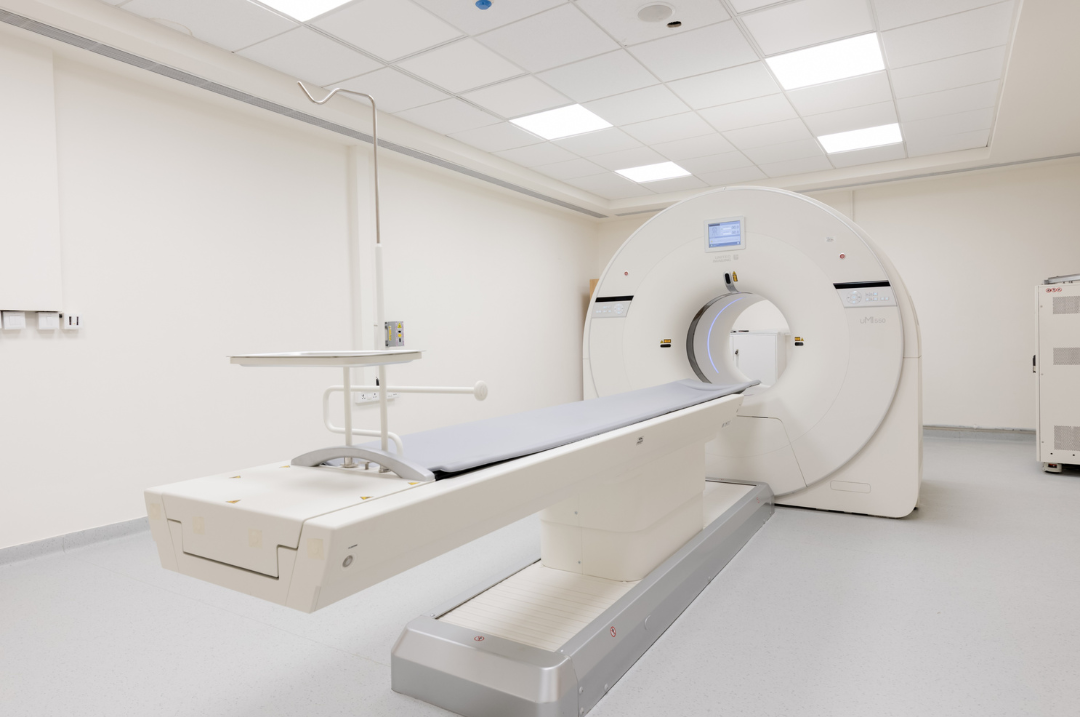
You will lie still on a scanning bed, which will slowly move into the PET scanner. The scanner is a large machine with a circular opening. The actual scanning process usually takes around10 minutes. During the scan, you will need to stay still to ensure clear images.
Once the scan is completed, you can resume your normal activities. The radioactive tracer used in the scan will naturally leave your body over time through urination.
Benefits of an Exendin PET Scan
-
High Sensitivity for Insulinomas
The Exendin PET scan is highly sensitive in detecting insulinomas and pancreatic neuroendocrine tumors, which are often challenging to locate with standard imaging techniques.
-
Accurate Tumor Localization
The scan helps in locating small tumors, especially insulinomas, that might otherwise be missed with CT or MRI scans.
-
Guiding Surgical Treatment
By providing detailed images, the Exendin PET scan helps doctors plan surgery more precisely, improving the chances of removing the tumor completely.
-
Non-invasive
The Exendin PET scan is a non-invasive procedure, meaning there is no need for surgery or other invasive methods to locate the tumor.
Subsribe To Our Newsletter
Stay in touch with us to get latest news and special offers.