Lu-177 FAPI Therapy – A New Hope in Advanced Cancer Care
About Lu-177 FAPI Therapy
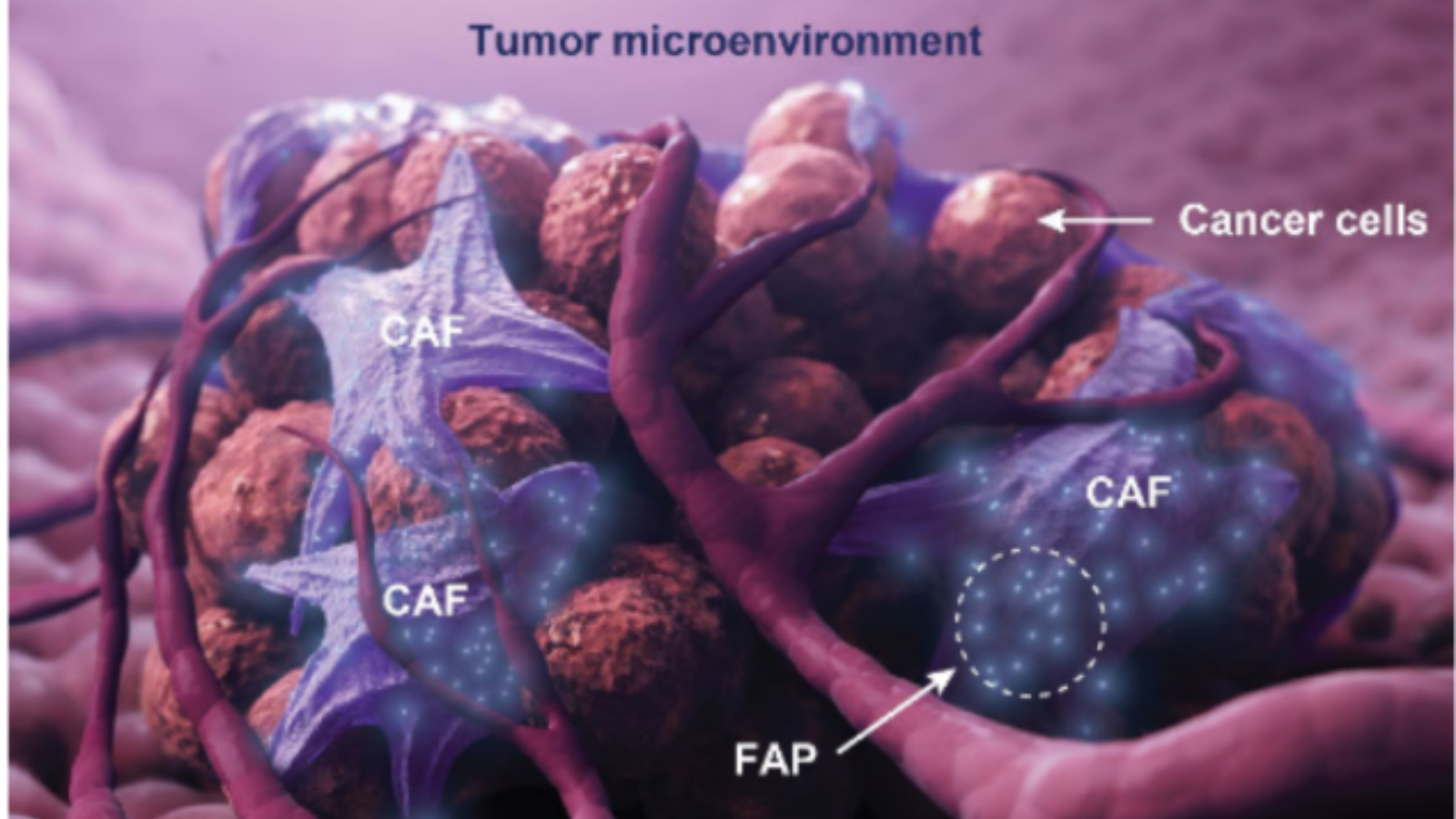
Lu-177/Ac225 FAP therapy is an advanced and targeted treatment designed for cancers that are difficult to treat with standard therapies like chemotherapy or radiation. This therapy uses a special radioactive substance (Lutetium-177 or Actinium payloads) that attaches to a protein called Fibroblast Activation Protein (FAP), which is present in many tumors. Once the treatment reaches the tumor, the radiation specifically targets the cancer cells, helping to shrink or slow their growth.
This approach is unique because it targets the tumor microenvironment, which is the tissue surrounding the tumor, rather than just the tumor cells themselves. This allows for better precision in treatment, minimizing damage to healthy tissues and increasing the effectiveness of the therapy.
Who Can Benefit from Lu-177 FAPI Therapy
Lu-177 FAPI therapy is recommended for patients who meet the following criteria:
-
Treatment-Resistant Cancer
If your cancer has not responded well to standard treatments, such as chemotherapy, and your tumor is continuing to grow or spread, Lu-177 FAPI therapy may be an option.
-
Tumors that show high FAPI uptake
The therapy works best for cancers that express the FAP protein on their surface. We perform a FAPI PET/CT scan to assess whether your tumor is suitable for this therapy. If your tumor shows uptake of FAPI, it means this treatment is likely to be effective for you.
-
Progressing disease
If your cancer is continuing to progress despite chemotherapy or other treatments, Lu-177/Ac-225 FAPI therapy offers a new opportunity to control or reduce tumor growth.
How Does Lu-177 FAPI Therapy Work
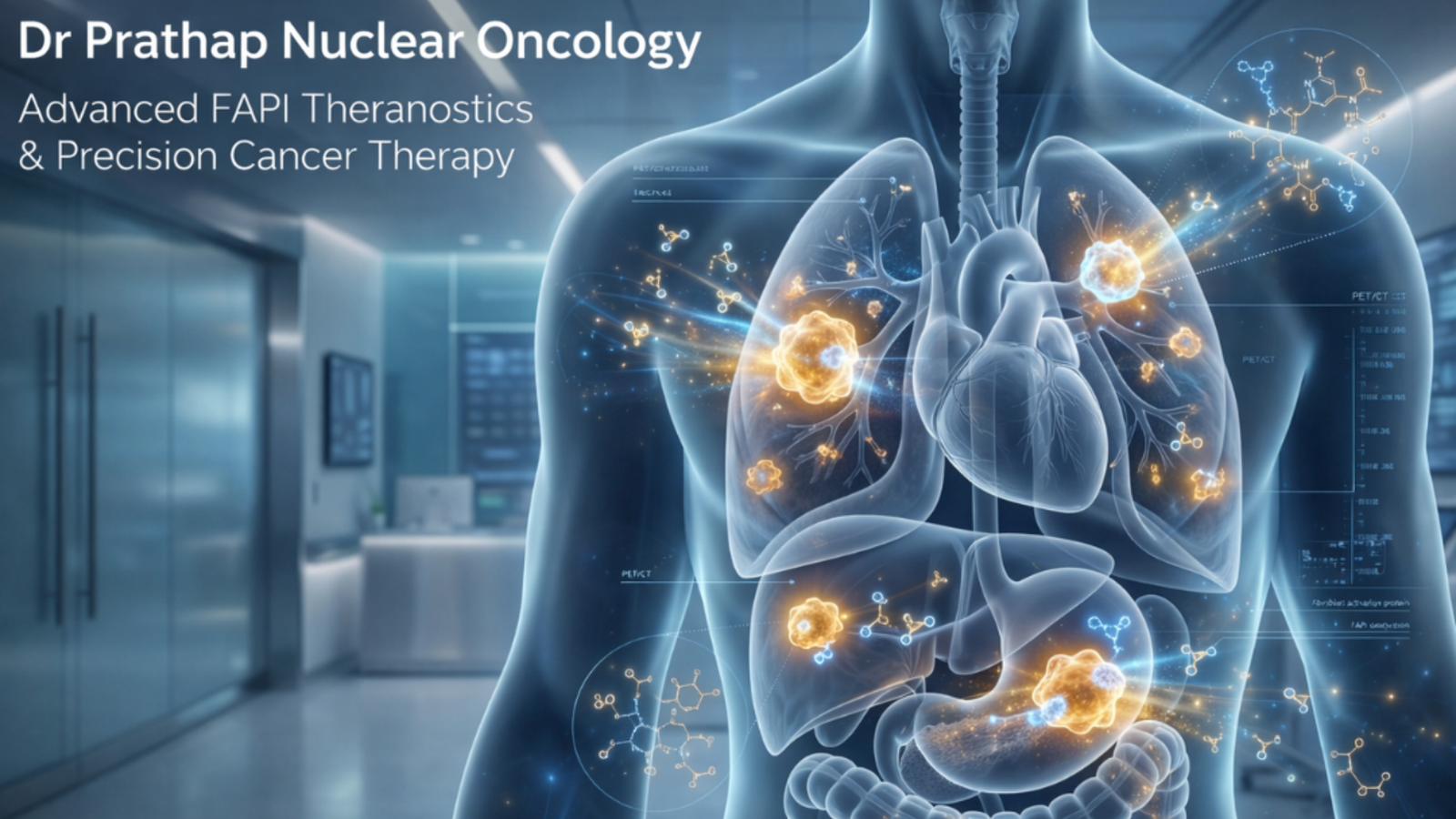
Before beginning treatment, you will undergo a FAPI PET/CT scan, which helps to determine if your tumor is likely to respond to Lu-177 FAPI therapy. If the scan shows that your tumor has high FAP expression, you will be considered for therapy.
how the treatment works:
Lu-177/Ac-225 FAPI is a radioactive molecule that binds specifically to the FAP protein found in the tumor microenvironment. This allows the radiation to precisely target the tumor, minimizing damage to surrounding healthy tissue.
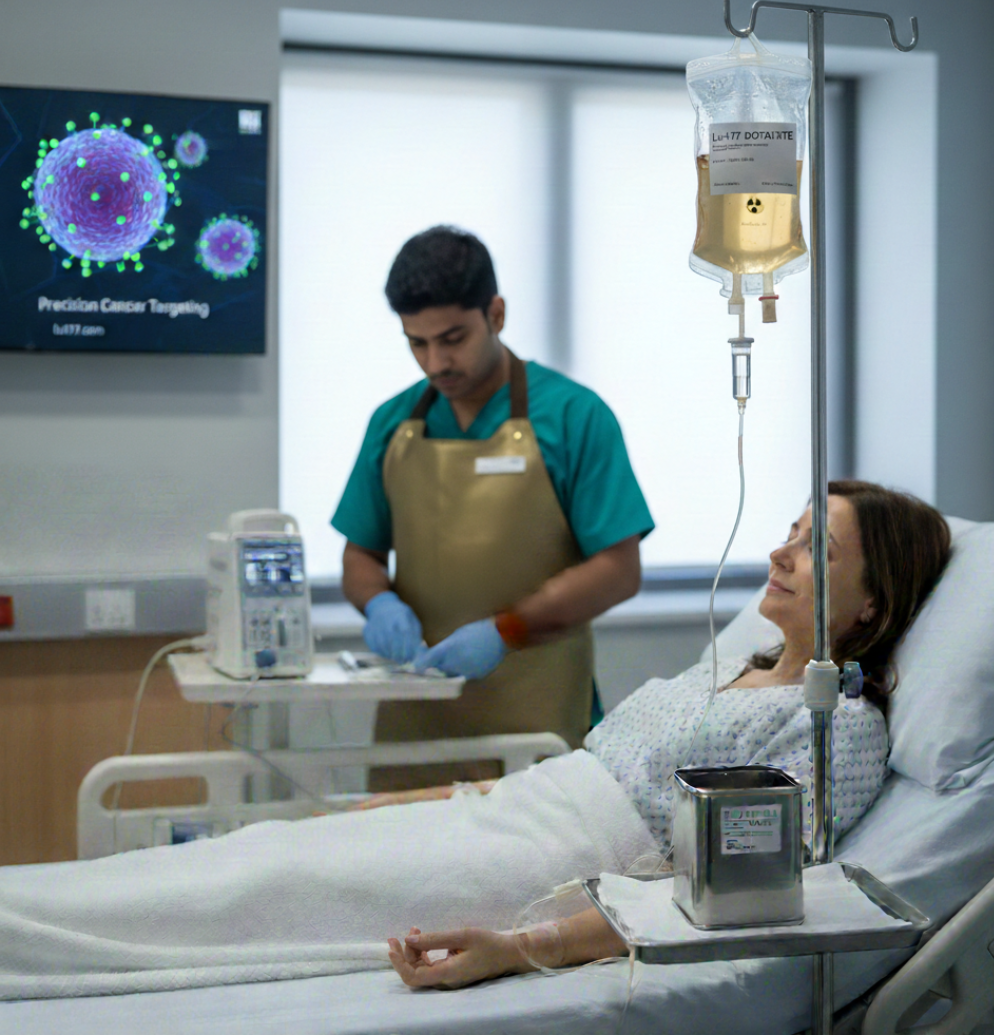
Once the therapy is injected into your bloodstream, it delivers radiation directly to the tumor cells, helping to shrink the tumor or stop its growth.
What Does the Treatment Involve?
Simple IV injection
Treatment Schedule
Observation period
How Should I Prepare for the Therapy?
Before starting Lu-177//Ac-225 FAPI therapy, you will have:
Routine blood tests: These are to check your kidney, liver, and blood cell health, ensuring you’re healthy enough to undergo treatment.
What Are the Benefits of Lu-177/Ac-225 FAPI Therapy?
-
Effective After Chemotherapy Has Failed
Lu-177/Ac225 FAPI therapy can be a promising option for patients whose cancer has continued to grow after receiving standard chemotherapy/immunotherapy. It is effective even when traditional treatments have stopped working.
-
Targets the Tumor Microenvironment
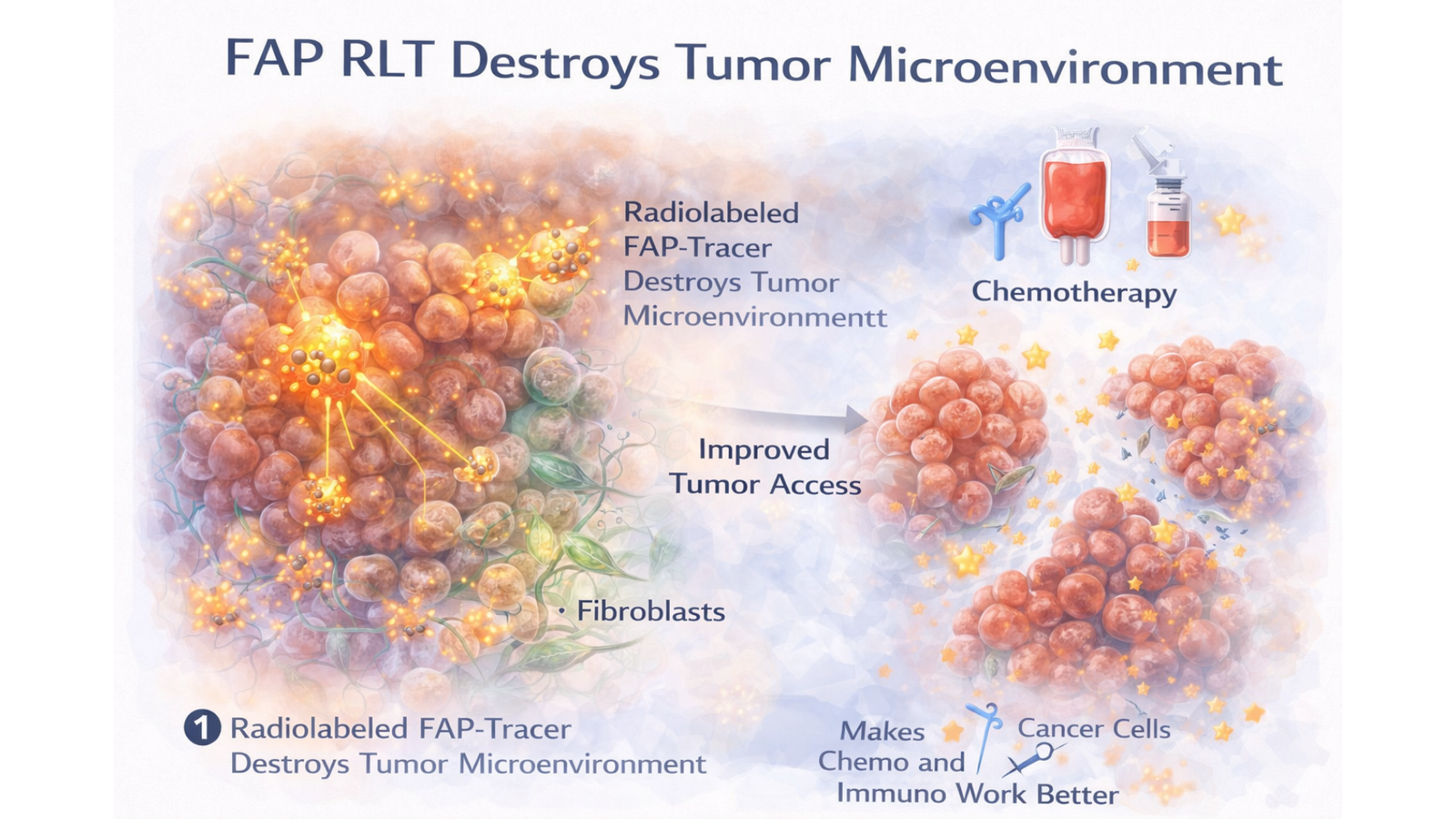
Unlike some treatments that focus only on the cancer cells themselves, FAPI therapy targets the entire tumor microenvironment, that help the tumor grow. This makes it especially effective for cancers that may not respond well to chemotherapy or immunotherapy.
-
Reactivation of Other Treatments
A unique feature of Lu-177/Ac225 FAPI therapy is that it can enhance the effectiveness of other treatments like chemotherapy or immunotherapy, which may not have worked well on their own. After receiving FAPI therapy, you may see a better response to these treatments, leading to improved cancer control.
-
Precision Treatment
Because it specifically targets cancer cells, Lu-177/Ac225 FAPI therapy can shrink tumors while causing less damage to healthy tissues, which means fewer side effects compared to traditional treatments like chemotherapy.
-
Less Fatigue
Since this therapy is focused on the tumor, many patients experience less/no fatigue than they would with chemotherapy, making it easier to tolerate.
What Are the Possible Side Effects?
While most patients tolerate the therapy well, some may experience mild side effects, including:
Mild Fatigue
Mild nausea
Low blood counts
These side effects are typically temporary, and your medical team will monitor your health closely throughout the treatment.
What Happens After the Treatment?
01. Follow-up Monitoring
After each treatment session, you’ll have follow-up appointments, including blood tests and possibly another FAPI PET/CT scan to check how well the therapy is working. This helps us understand if the treatment is shrinking the tumor and if any adjustments are needed.
02. Response to Additional Therapies
If you are also undergoing chemotherapy or immunotherapy, we may notice that these treatments begin to work better after FAPI therapy. This is because FAPI therapy can enhance the action of these other treatments, allowing for improved control of the cancer.
What Are the Limitations of Lu-177/Ac225 FAPI Therapy?
While promising, Lu-177/Ac-225 FAPI therapy is still considered new. There’s ongoing research in multiple tumors worldwide using this therapy.
This therapy is only available in specialized centers or through clinical trials in some regions.
More than 80 percent of tumors express FAP. 20 % of cancer may not express FAP, to be get treated with FAPI therapy. If your tumor does not show FAPI uptake on the PET scan, this treatment may not be suitable.
Questions?
We understand that this is a lot of information to process, and we’re here to help. Feel free to ask any questions or talk to your doctor about whether Lu-177/Ac-225 FAPI therapy is right for you.
Subsribe To Our Newsletter
Stay in touch with us to get latest news at Theranostic